






















USB technology is no longer confined to the office desk. It has become the standard for data transfer and power delivery in factories, server rooms, medical facilities, and automated warehouses. However, deploying USB devices in these demanding industrial environments exposes them to a host of electrical hazards that standard consumer-grade equipment simply isn’t built to handle.
The three most common culprits behind USB failure in harsh environments are Electrostatic Discharge (ESD), power surges, and overcurrent. If left unchecked, these electrical anomalies can cause system downtime, corrupted data, and catastrophic hardware failure. Here is a guide to understanding these threats and how you can protect your mission-critical USB devices.
Understanding the Threats
Electrostatic Discharge (ESD)
ESD is the sudden flow of electricity between two electrically charged objects caused by contact, an electrical short, or dielectric breakdown. A common example is the static shock you feel after walking across a carpet and touching a metal doorknob. While that small spark might just be a brief annoyance to a human, a static discharge of just a few hundred volts can completely fry the delicate microprocessors inside a USB device or the host computer. In industrial settings with heavy machinery, moving parts, and varying humidity, ESD events are incredibly common.
Power Surges
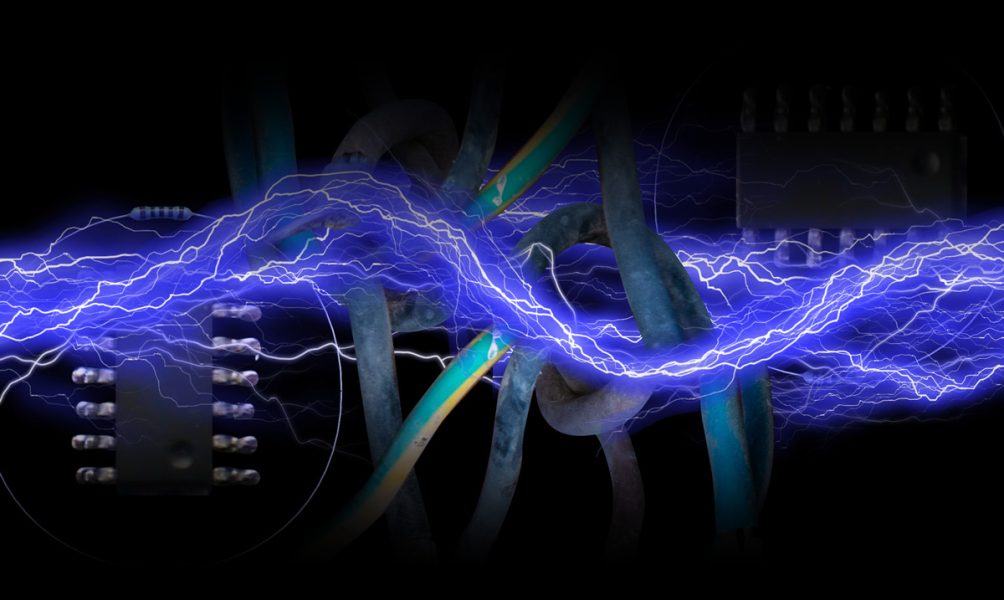
A surge is a transient wave of voltage or current that significantly exceeds the standard operating level. These spikes can be caused by a variety of factors, including lightning strikes, the switching on and off of heavy industrial machinery (like motors or HVAC systems), or grid fluctuations. When a surge travels down a USB connection, it can instantly destroy the circuitry of both the hub and any attached peripherals.
Overcurrent
Overcurrent occurs when a device attempts to draw more electrical current than the power supply or the USB port is designed to safely provide. This can happen due to a faulty peripheral, a short circuit, or daisy-chaining too many power-hungry devices. Prolonged overcurrent leads to excessive heat, which can melt components, damage the host port, and even pose a fire hazard.
How to Protect Your USB Infrastructure
Relying on cheap, plastic consumer USB hubs in an industrial or commercial setting is a recipe for disaster. To truly protect your USB devices from ESD, surges, and overcurrent, you must implement specialized hardware designed for rugged environments.
Invest in 15kV ESD Surge Protection
Standard USB ports offer very little in the way of ESD protection. Industrial-grade USB solutions are engineered with dedicated suppression circuits that intercept high-voltage spikes and safely redirect them to the ground before they can reach sensitive internal components. Look for devices that offer at least 15kV ESD protection across all ports to ensure your equipment survives severe static shocks.
Ensure Overcurrent and Over-Temperature Protection
A reliable USB hub should actively monitor the power being drawn by connected devices. Built-in overcurrent protection acts like a digital circuit breaker, automatically cutting power to a specific port if it detects an abnormally high current draw, thereby saving the rest of the hub and the host system. Furthermore, over-temperature protection ensures that if the internal heat rises to dangerous levels—whether from environmental factors or heavy load—the device will safely shut down or throttle before permanent damage occurs.
Choose Rugged, Mountable Enclosures
Electrical protection is only half the battle; physical protection matters, too. Industrial hubs should feature rugged metal chassis that can withstand impacts, vibrations, and extreme temperatures. Secure mounting options, such as DIN rail clips or surface mounting brackets, ensure the hub remains firmly in place, preventing accidental disconnects and physical stress on the cables.
The Coolgear Solution
At Coolgear, we understand that downtime is not an option. As experts in industrial USB connectivity solutions, we design our products specifically to combat the electrical and environmental hazards of the modern workspace.
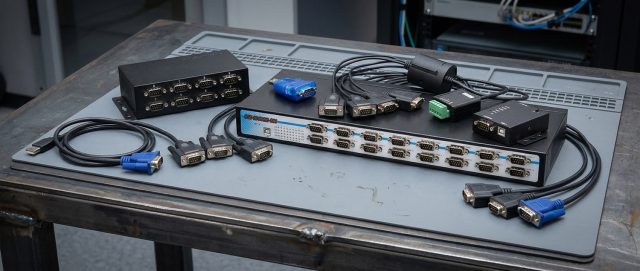
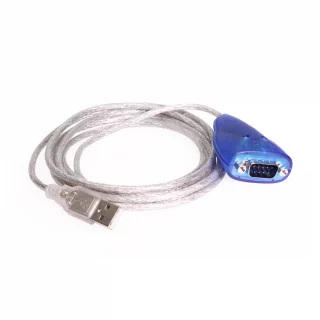
Our extensive line of industrial USB hubs, chargers, and serial adapters are built from the ground up for maximum reliability. Standard features across our industrial lines include rugged metal enclosures, 15kV ESD surge protection, overcurrent protection, and over-temperature protection.
For example, our USB-C 7-Port Hub (2x Type-C, 5x Type-A) is a prime example of this robust engineering. It features DIN rail mounting for easy integration into control panels and server racks, while providing industrial-grade surge protection and power monitoring across a mix of legacy and modern USB ports. This ensures that whether you are powering a barcode scanner on a warehouse floor or connecting diagnostic equipment in a lab, your data and hardware remain completely secure.


Conclusion
Protecting your USB devices from ESD, surges, and overcurrent is not just about extending the lifespan of your peripherals; it is about safeguarding your entire operational infrastructure. By upgrading to industrial-grade USB connectivity solutions equipped with robust electrical safeguards, you can eliminate unpredictable hardware failures and ensure seamless, continuous operation.
Browse our products to explore our full range of rugged, reliable, and heavily protected USB hubs and adapters engineered for your toughest environments.