





















If you have shopped for a laptop, an external hard drive, a USB hub, or a simple cable, you have likely encountered an array of USB designations: USB 3.0, USB 3.1 Gen 1, USB 3.2 Gen 2×2. Despite being the “Universal” Serial Bus, its naming conventions have become universally confusing. This article explores the history of these names and the controversial decisions by the USB Implementers Forum (USB-IF) that led to the current landscape.
The Origin – USB 3.0
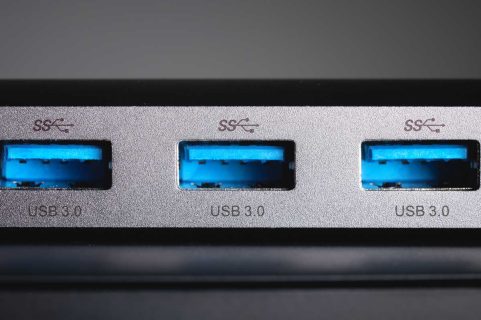
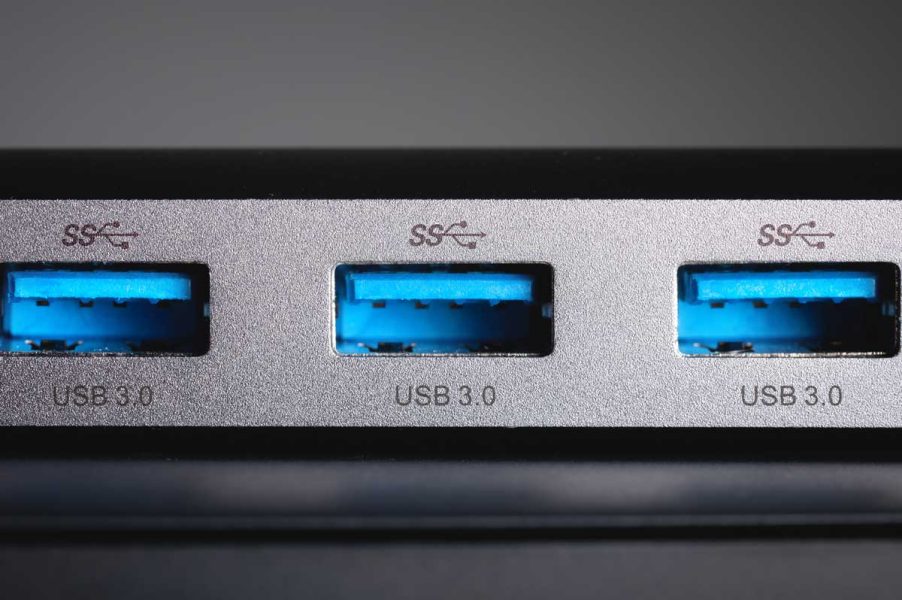
In 2008, the USB-IF introduced USB 3.0. It was a massive leap forward from the older USB 2.0 standard, boosting theoretical data transfer speeds to 5 Gigabits per second (Gbps). The marketing name for this was clean and memorable: SuperSpeed USB. For years, the naming was simple. If a port was blue or had an “SS” logo next to it, consumers knew exactly what they were getting. Learn how USB 3.0 cable connectors differ from 2.0.
The Confusion Begins – USB 3.1
The confusion started in 2013 with the introduction of a new standard capable of doubling speeds to 10 Gbps. Logically, consumers expected this to simply be called USB 3.1, leaving USB 3.0 alone as the 5 Gbps standard.
Instead, the USB-IF opted to retroactively rename the older standard. The new 10 Gbps standard became USB 3.1 Gen 2 , while the older 5 Gbps standard (formerly USB 3.0) was officially renamed to USB 3.1 Gen 1 .
This decision allowed device manufacturers to legally advertise older 5 Gbps devices as “USB 3.1” (often burying the “Gen 1” suffix in the fine print), causing significant consumer frustration.
| Original Name | USB 3.1 Era Name | USB 3.2 Era Name | Speed Rating |
| USB 3.0 | USB 3.1 Gen 1 | USB 3.2 Gen 1 | 5 Gbps |
| USB 3.1 Gen 2 | USB 3.2 Gen 2 | 10 Gbps | |
| USB 3.2 Gen 2×2 | 20 Gbps |
The bizarre “2×2” designation for the 20 Gbps standard refers to the fact that it utilizes two 10 Gbps lanes simultaneously to achieve its maximum speed, an operation only possible over the reversible USB-C connector.
Doubling Down – USB 3.2
In 2017, the USB-IF released an even faster standard capable of 20 Gbps using multi-lane technology. Continuing their previous strategy, they completely restructured the naming conventions again, pulling all previous USB 3 iterations under the new “USB 3.2” umbrella.
Why did the USB-IF do this?
The USB-IF’s stated goal was standard consolidation. From an engineering perspective, grouping these standards makes some sense because they share the same underlying architecture and signaling protocols. However, from a consumer marketing perspective, the retroactive renaming created confusion within the consumer electronics market.
Because the standards were absorbed into the newest version name, manufacturers could legally label a 10-year-old 5 Gbps USB 3.0 port as “USB 3.2 Gen 1.” To the average buyer, seeing “USB 3.2” on the spec sheet implied they were getting the latest and greatest technology, even if the actual transfer speeds were firmly rooted in 2008.
Why did the USB-IF do this?
Recognizing the overwhelming confusion, the USB-IF has recently attempted to pivot away from version numbers in consumer-facing marketing entirely. They now strongly encourage brands to use clear data speed designations on product packaging, such as USB 5Gbps, USB 10Gbps, and USB 20Gbps, abandoning the perplexing “Gen” terminology altogether.
While the advent of USB4 has further pushed this simplified speed-based naming convention (e.g., USB 40Gbps), the legacy of the USB 3.x naming era remains a prime example of how technical specification accuracy can severely conflict with consumer clarity.