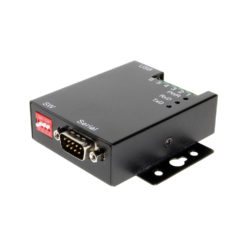
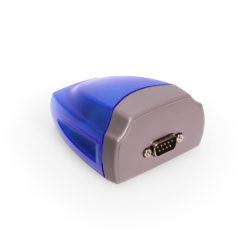
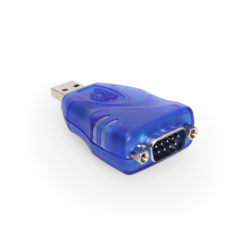
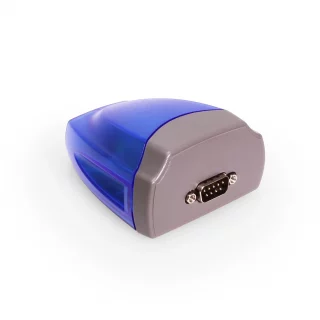
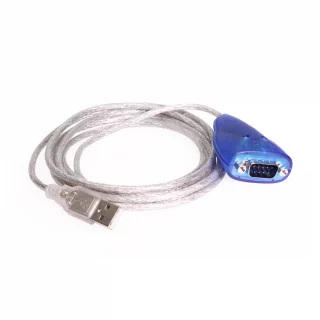
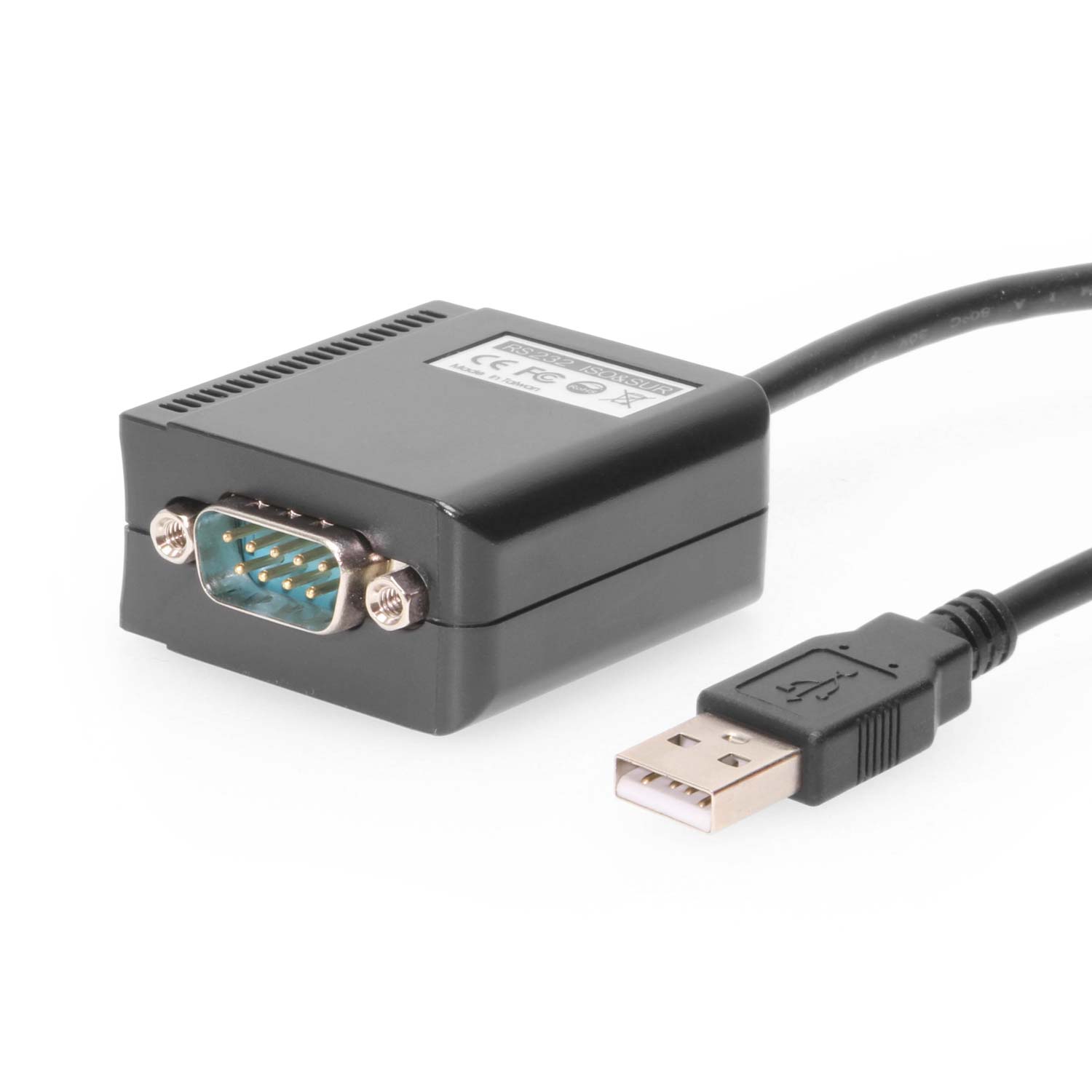
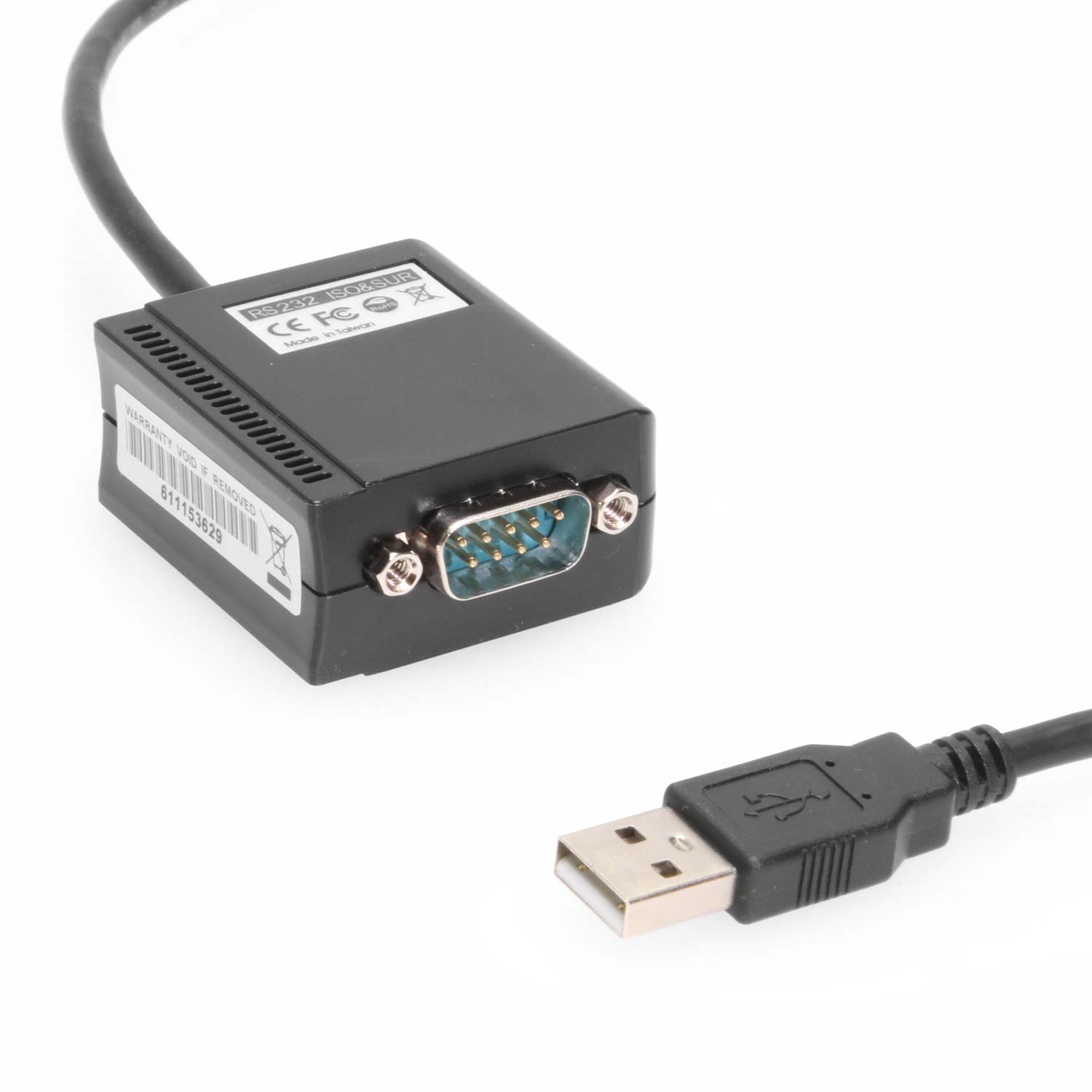
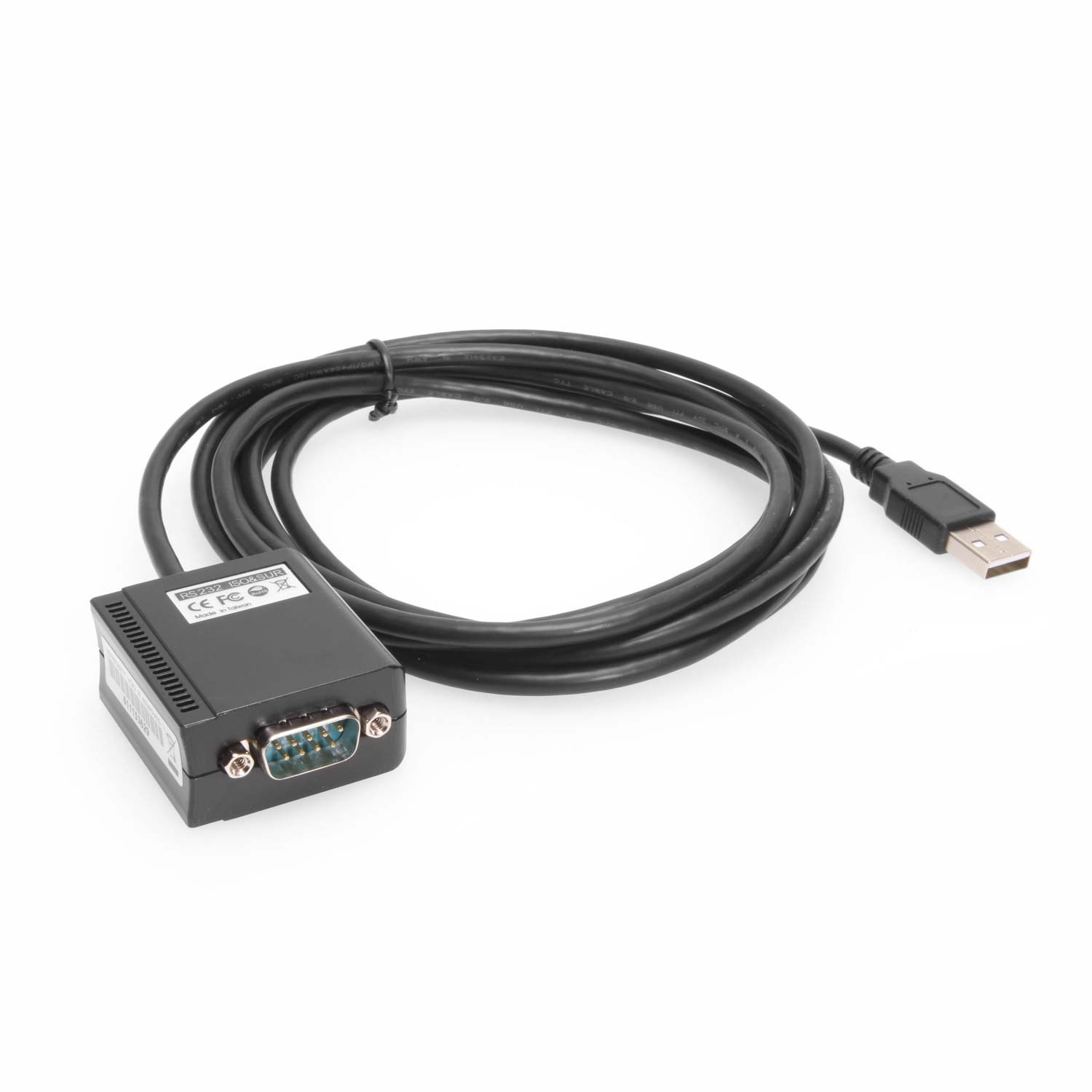
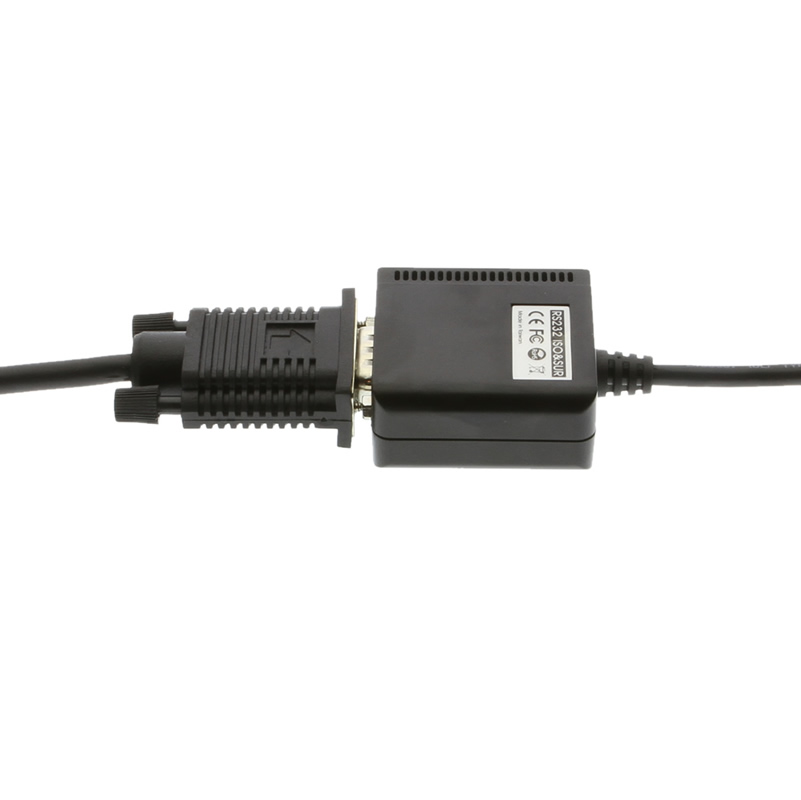
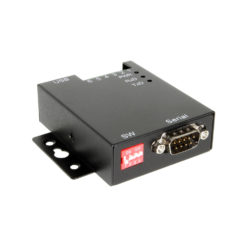
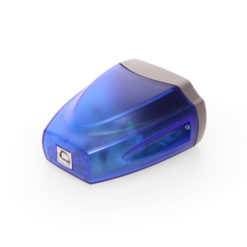
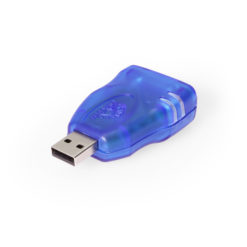
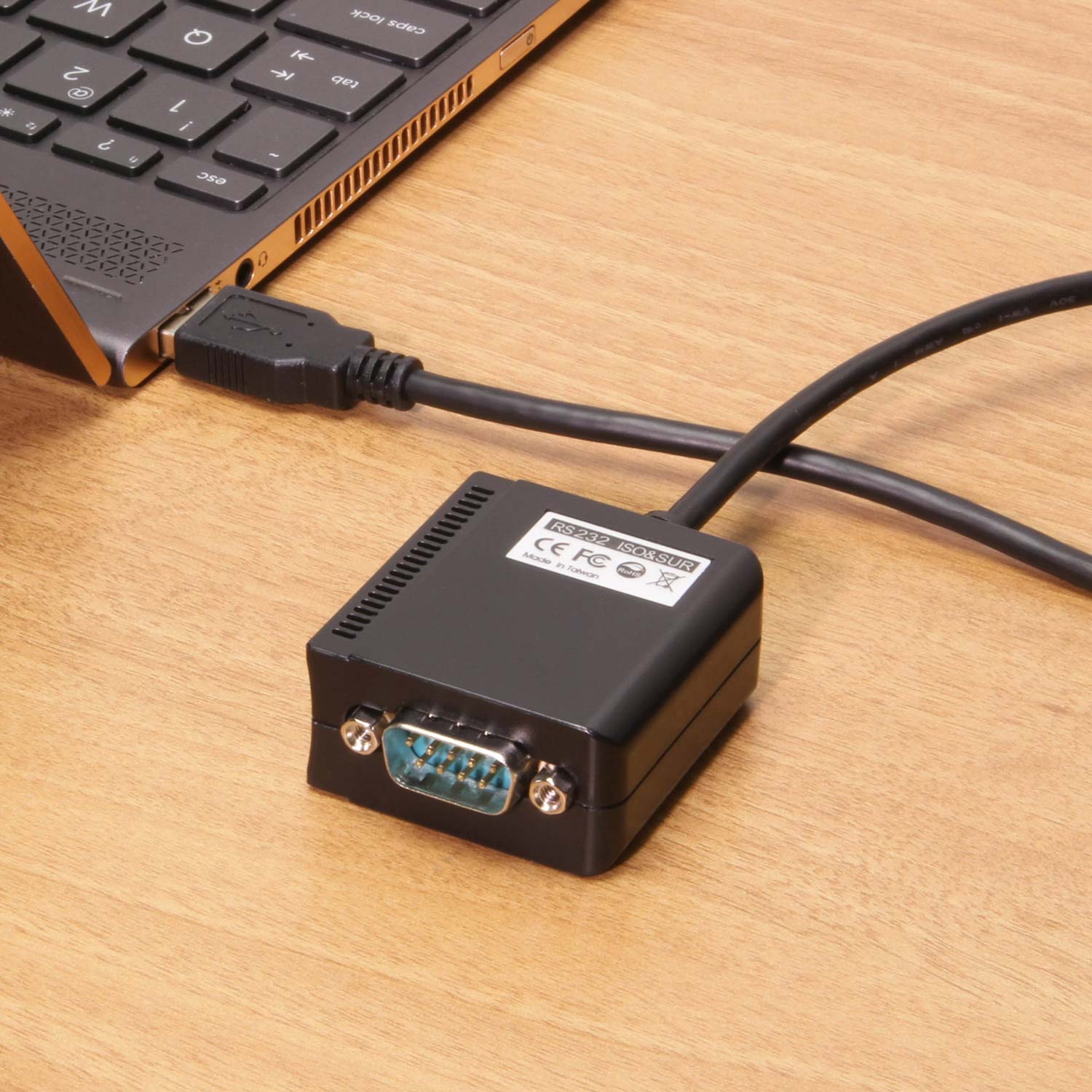
USB RS-232 Adapter Industrial Isolated – Surge Protected FTDI Chip

Model No. USBG-SSRS1

USB to RS232 Adapter with FTDI and Isolation

The USBG-SSRS1 single port USB RS-232 Adapter fully compatible with USB 1.1 and forward compatible with USB 2.0, it supports 1 DB9-Male UART serial port while keeping scalability and adaptability at a maximum.

  • No Configuration is necessary with automatic recognition of the adapter, driver install is automatic.
  • Uses screw lock serial connection to eliminate accidental disconnection.
  • Has surge protection built-in 500W Bi-direction Circuits
  • A great solution for new technology without serial port capability.

$95.29

Model No. USBG-SSRS1

In stock

REACH RoHS TAA Compliant

Also available from:


Export Product as PDF

Need some help? Contact us.
Description

The USBG-SSRS1 USB RS-232 Adapter provides the scalability to quickly adapt to new USB technologies. Multiple modules can be added to a single USB interface allowing you to add WAN connectivity as needed. Secure serial cable connection is established through a Screw Lock Mechanism on the adapter.

The USB RS-232 Adapter uses Plug-and-Play features to help you install your device, simply plug the device in and follow the directions on your Install Wizard for completion. Configuration for Card Slots, I/O address, IRQ jumpers, and DMA is not necessary when you are connecting the devices, the system will recognize the device and install the drivers automatically. The USBG-SSRS1 USB RS-232 Adapter is an ideal solution for expanding your applications.

Additional Features:

USB Port:

  • Fully compatible with USB 1.1 and Forward compatible with USB 2.0

Serial Port: The key benefits are:

  • Supports 1 DB9-Male UART Serial port
  • Supports 3-wire RS-232 signals (TxD, RxD, GND)
  • Isolation: Built-in 2500Vrms Optical Isolation Circuits
  • Surge Protection: Built-in 500W Bi-direction Surge Protection Circuits
  • Data Bits: 7, 8
  • Stop Bits: 1, 2
  • Parity: None, Odd, Even, Mark, Space
  • Baud Rate: 300 bps to 921.6 Kbps

OS Support:

  • Windows 7, 8, 10 and Windows 11
  • Linux and Mac OS 10.X

Power Requirements:

  • 5VDC Power solely from USB Bus, no external power supply needed.

Environmental:

  • Operating Temp.: 0 to 55¨C (32 to 131¨F)
  • Storage Temp: -20 to 85¨C (-4 to 185¨F)
  • Operating Humidity: 5 to 95% RH

Form Factor:

  • 1.77 (L)x1.63 (W)x0.86 (H) (4.50 x 4.15 x 2.20 cm)

Package Contents

  • Serial Adapter
  • Paper installation manual
  • Driver Disc
Specifications

Product Specifications

Compliance
Country of Origin

Taiwan

Certifications

, ,

Physical Characteristics
Color

Black

Length

8ft

Ports

1 Serial Port

Screw Lock Compatible

Yes

Serial Attributes
Serial Standards

RS232

Software
OS Support

Win XP, Win 7, Win 8, Win 10, Win 11, Linux, Mac OSX

Environmental
Operating Temperature

0C to 55C

Hardware
Chipset

FTDI

Performance & Safety
Isolated/Surge Protected

Yes

Other Data
Connector

DB9 Male w/ Nuts

USB Interface

USB 2.0

Warranty

1 year from date of purchase

Weight

.45 lbs

Dimensions

7.75 × 5 × 1.75 in

UPC: 729440691592
Support

Product Documentation & Drivers


Need drawings, CAD files, or other compliance documentation? Click HERE

Serial F.A.Q.

Product F.A.Q.

View frequently asked product questions below. For all serial troubleshooting, visit this page.
Still need help? Reach out!

  • Do these adapters require an external power supply?

    Most of our single and dual-port models are USB bus-powered. High-density rackmount models (8-port+) feature integrated or external power supplies for maximum signal integrity.

  • What is the difference between an isolated and non-isolated serial adapter?

    Isolated adapters use optical barriers to physically separate the electrical signals. This protects your computer from 2,500V surges and ground loops common in factory environments.

  • Can I use these adapters with Windows 11?

    Yes, all Coolgear Serial adapters use modern FTDI or Silabs chipsets with WHQL-certified drivers for full Windows 11, Mac, and Linux support.

  • What is COM Port Retention and why do I need it?

    COM Port Retention ensures that your assigned COM port number remains the same every time you plug in the adapter or reboot your PC. This prevents software communication errors and eliminates the need to manually reconfigure your application settings whenever hardware is moved.

  • How do I clean and reinstall my FTDI drivers?
      1. Download the CDM Uninstaller HERE.
      2. Extract the zip file, or open the “CDMuninstallerGUI.exe” utility.
      3. Leave the ‘Vendor ID’ set to 0403 and ‘Product ID’ set to 6001.
      4. Click Add.
      5. Click Remove Devices.
      6. Download the corresponding driver for your operating system and follow on-screen prompts. Windows Driver | MacOS Driver

    Video tutorial here.

  • How can I change my device’s COM port?
      1. Click on Start and navigate to the Control Panel
      2. Locate and click on Device Manager
      3. Under “Ports (COM & LPT)” you will find your serial device titled “USB Serial Port” along with its current COM Port.
      4. Right click on “USB Serial Port” and click on Properties.
      5. Navigate to the “Port Settings” tab and click on “Advanced…”
      6. Once there, the “COM Port Number:” can be changed with a dropdown menu to select the port number.
      7. Click your desired port number (i.e. COM2) and click “OK”.
      8. Click “OK” once more.
      9. Your serial device is now assigned to your chosen COM Port.


  • How do I check to ensure the COM port is listed properly in Windows?
    To ensure your serial device is installed properly, complete the following:

    1. Press Windows Key + R to open the Device Manager. Once Run comes up, type “devmgmt.msc” into the text field and press Enter.
    2. Expand the section labeled, Ports (COM & LPT).
    3. You should now see a COM number in brackets to the right of each port. If the device is installed properly, no exclamation points or question marks should be present next to the device.
  • I have everything hooked up, but nothing is functioning correctly.
    To rule out potential issues, quickly test your individual components to ensure that they are working correctly individually, and are not the source of the problem:

    • Serial cables
    • Serial ports
    • Serial devices

    Test your components by:

    • Hook up the serial cable(s), serial port(s), and serial device(s) in a different setup to see if the issue stems from a particular component, or the setup as a whole.
    • Replace the serial cable, port, or device within your setup to further troubleshoot the issue’s origin.

    When testing cables:

    • Test each cable individually.
    • Use short cables when you are testing.

    When testing serial ports and devices:

    • Press the Windows key + R, in Run, type devmgmt.msc, and press Enter to open the Device Manager. You can then check to see if your device is listed under Ports (COM & LPT).
    • Ensure that the COM port number is the correct number for the serial device and that the software being used to connect the computer to the serial device uses the correct COM port number.
    • If the device is listed with an error, follow the instructions on the website to reinstall the drivers.
  • Serial communication is not functioning correctly, how can I tell if the problem caused by the adapter or my serial software application?
    Older serial communication applications make use of legacy hardware addresses, often incompatible with PCI, PCIe, and USB to Serial products. Contact the software provider to troubleshoot.
  • I am receiving an error when I try to install the drivers in Windows 8 64 bit.
    Driver Signature Enforcement in Windows 8 may need to be disabled in order to use various drivers. After disabling this feature, the driver will be allowed to install.

    Note: You are required to restart your computer after disabling the Driver Signature Enforcement. Save all open work on your computer.

    Disable driver signature enforcement:

    1. Press the Windows key + C.
    2. Click Settings > Change PC Settings.
    3. In the left pane, click General.
    4. In the right pane, under Advanced startup, click Restart now.

    When your system restarts:

    1. Click Troubleshoot > Advanced options > Startup Settings > Restart.
    2. Press 7.

    When your computer restarts, Driver Signature Enforcement will be disabled and you can install the drivers.

Reviews (0)

Reviews

There are no reviews yet.
Be the first to review “USB RS-232 Adapter Industrial Isolated – Surge Protected FTDI Chip”